|
Ο
Βιβλιοφάγος
|
O
Vivliofagos
|
The
bookworm
|
|
από
την Κρύσταλ
Τζόουνς ã
1999
|
apo
tin
Krystal
Tzoouns
ã
1999 |
by
Crystal Jones ã
1999 |
|
1 Έβρεχε
κατά
διαστήματα
όλο εκείνο το
απόγευμα και
καθώς δεν είχε
τίποτα
σπουδαίο να
κάνει η Ντέιζη
περιπλανήθηκε
στο
βιβλιοπωλείο
χαμηλών τιμών
στην στοά.
Έβρεχε
κατά
διαστήματα
όλο εκείνο το
απόγευμα και
καθώς δεν είχε
τίποτα
σπουδαίο να
κάνει η Ντέιζη
περιπλανήθηκε
στο
βιβλιοπωλείο
χαμηλών τιμών
στην στοά.
|
Evreche
kata
diastimata
olo
ekeino
to
apogevma
kai
kathos
den
eiche
tipota
spoudaio
na
kanei
i
Nteizi
periplanithike
sto
vivliopoleio
chamilon
timon
stin
stoa.
|
It
was raining on and off all that afternoon and as she had nothing much to
do Daisy wandered into the low–price bookshop in the arcade.
|
|
Της
άρεσε πολύ να
κοιτάζει
βιβλία και
συχνά έβρισκε
μερικές
θαυμάσιες
ευκαιρίες
εκεί.
|
Tis
arese
poly
na
koitazei
vivlia
kai
sychna
evriske
merikes
thavmasies
efkairies
ekei.
|
She
loved looking at books and often found some wonderful bargains there.
|
|
Η
Ντέιζη
προτιμούσε μη
μυθοπλαστικά
βιβλία,
περιηγήσεις,
θεατρικά έργα
αλλά επίσης
της άρεσε να
ανακαλύπτει
κάποιον
συγγραφέα
ιστοριών
μυστηρίου που
δεν είχε
ακούσει στο
παρελθόν.
|
I
Nteizi
protimouse
mi
mythoplastika
vivlia,
periigiseis,
theatrika
erga
alla
episis
tis
arese
na
anakalyptei
kapoion
syngrafea
istorion
mystiriou
pou
den
eiche
akousei
sto
parelthon.
|
Daisy
preferred non-fiction books, travel, plays but also liked to discover an
author of detective stories she had never heard of before.
|
|
Σύντομα
η Ντέιζη είχε
μια τεράστια
στοίβα από
βιβλία που
ήθελε να
αγοράσει και
προσπάθησε να
υπολογίσει
πόσο θα
κόστιζαν όλα.
|
Syntoma
i Nteizi eiche mia terastia stoiva apo vivlia pou ithele na agorasei kai
prospathise na ypologisei poso tha kostizan ola.
|
Soon
Daisy had a huge pile of books she wanted to buy and tried to calculate
how much they would all cost.
|
|
“Είναι
σχεδόν
τέσσαρες
λίρες για το
ιατρικό
βιβλίο, συν
τρία για το
Αμερικάνικο
βιβλίο για
Κοινωνιολογία,
δύο βιβλία
μαγειρικής
για 99 πέννες το
καθένα, δύο
λίρες και
ενενήντα για
το βιβλίο
περιήγησης
της Νότιας
Αμερικής και
εφτά για μια
εγκυκλοπαίδεια
για
εγκληματίες
του κόσμου με
φωτογραφίες
τους.
|
“Einai
schedon
tessares
lires
gia
to
iatriko
vivlio,
syn
tria
gia
to
Amerikaniko
vivlio
gia
Koinoniologia,
dyo
vivlia
mageirikis
gia
99 pennes
to
kathena,
dyo
lires
kai
eneninta
gia
to
vivlio
periigisis
tis
Notias
Amerikis
kai
efta
gia
mia
egkyklopaideia
gia
egklimaties
tou
kosmou
me
fotografies
tous.
|
“That’s
nearly four pounds for the medical book, plus three for the American book
on Sociology, two cookery books at 99p each, two pounds ninety for the
travel book on South America and seven for an encyclopedia of world
criminals with photos of them.
|
|
“Αν
αγοράσω
επίσης τούτο
το βιβλίο για
φυσικές
θεραπείες, θα
ξοδεύω μόλις
κάτω από
είκοσι τρεις
λίρες”.
|
“An
agoraso
episis
touto
to
vivlio
gia
fysikes
therapeies,
tha
xodevo
molis
kato
apo
eikosi
treis
lires”.
|
“If
I buy this book on natural cures as well, I’ll be spending just under
twenty-three pounds”.
|
|
Η
Ντέιζη
μέτρησε τι
είχε στο
πορτοφόλι της.
|
I
Nteizi metrise ti eiche sto portofoli tis.
|
Daisy
counted what she had in her purse.
|
|
Ποτέ
δεν
χρησιμοποιούσε
την πιστωτική
κάρτα της για
να αγοράσει
ρούχα ή βιβλία
επειδή
φοβόταν ότι
δεν θα είχε
αρκετά για
έκτακτες
ανάγκες.
|
Pote
den
chrisimopoiouse
tin
pistotiki
karta
tis
gia
na
agorasei
roucha
i
vivlia
epeidi
fovotan
oti
den
tha
eiche
arketa
gia
ektaktes
anagkes.
|
She
never used her credit card to buy clothes or books as she was afraid she
wouldn’t have enough for emergencies.
|
|
Ευτυχώς
η Ντέιζη
διαπίστωσε
ότι είχε
περισσότερες
από σαράντα
λίρες μαζί της.
|
Eftychos
i Nteizi diapistose oti eiche perissoteres apo saranta lires mazi tis.
|
Luckily
Daisy found that she had more than forty pounds with her.
|
|
Τώρα
πλέον δε
μπορούσε να
κουβαλάει όλα
αυτά τα βαριά
βιβλία
τριγύρω στο
μαγαζί και
αποφάσισε να
ρωτήσει τον
αδιάφορο
νεαρό στο
ταμείο, ο
οποίος
μελετούσε το
δελτίο του
ποδοσφαίρου
του, αν
μπορούσε να
αφήσει τα
βιβλία εκεί
γιατί δεν είχε
τελειώσει
ακόμα το
κοίταγμα
τριγύρω.
|
Tora
pleon
de
borouse
na
kouvalaei
ola
afta
ta
varia
vivlia
trigyro
sto
magazi
kai
apofasise
na
rotisei
ton
adiaforo
nearo
sto
tameio,
o
opoios
meletouse
to
deltio
tou
podosfairou
tou,
an
borouse
na
afisei
ta
vivlia
ekei
giati
den
eiche
teleiosei
akoma
to
koitagma
trigyro.
|
By
now she couldn’t carry all these heavy books around the shop and decided
to ask the indifferent young man at the pay desk, who was studying his
football coupon, if she could leave the books there because she hadn’t
finished looking around yet.
|
|
“Αν
θέλεις,”
απάντησε ο
αδιάφορος
νεαρός χωρίς
καν να
κοιτάξει την
Ντέιζη.
|
“An
theleis,” apantise o adiaforos nearos choris kan na koitaxei tin Nteizi.
|
“If
you like,” replied the indifferent young man without even looking up at
Daisy.
|
|
Η
Ντέιζη
κατέβηκε τις
ελικοειδείς
σκάλες στο
παιδικό τμήμα
και στα βιβλία
από δεύτερο
χέρι αλλά δεν
μπορούσε να
βρει τίποτα
ενδιαφέρον
εκεί.
|
I
Nteizi
katevike
tis
elikoeideis
skales
sto
paidiko
tmima
kai
sta
vivlia
apo
deftero
cheri
alla
den
borouse
na
vrei
tipota
endiaferon
ekei.
|
Daisy
climbed down the spiral staircase to the children’s section and
second-hand books but she couldn’t find anything interesting there.
|
|
Ανέβηκε
πάλι τις
σκάλες και
προχώρησε στο
πίσω μέρος του
μαγαζιού όπου
βρισκόταν το
τμήμα των
επιστημονικών
θεμάτων,
αστρολογίας,
εσωτερικής
ανάγνωσης και
πολέμου.
|
Anevike
pali
tis
skales
kai
prochorise
sto
piso
meros
tou
magaziou
opou
vriskotan
to
tmima
ton
epistimonikon
thematon,
astrologias,
esoterikis
anagnosis
kai
polemou.
|
She
climbed up the stairs again and proceeded to the back of the shop where
the section on scientific matters, astrology, esoteric reading and war
could be found.
|
|
2
Η
Ντέιζη έπρεπε
να σκύψει κάτω
για να δει
τους τίτλους
στο κάτω ράφι.
|
I
Nteizi eprepe na skypsei kato gia na dei tous titlous sto kato rafi.
|
Daisy
had to crouch down to see the titles on the bottom shelf.
|
|
“Μμ,
δεν βλέπω
τίποτα εδώ που
να με
ενδιαφέρει,”
σκέφτηκε,
μετακινούμενη
προς τα
αριστερά κάθε
φορά που
τελείωνε να
διαβάζει τους
τίτλους
εκείνου του
συγκεκριμένου
τμήματος της
βιβλιοθήκης.
|
“Mm,
den
vlepo
tipota
edo
pou
na
me
endiaferei,”
skeftike,
metakinoumeni
pros
ta
aristera
kathe
fora
pou
teleione
na
diavazei
tous
titlous
ekeinou
tou
sygkekrimenou
tmimatos
tis
vivliothikis.
|
“Mm,
can’t see much here to interest me,” she thought, moving to the left
each time she finished reading the titles of that particular section of
the bookcase.
|
|
Το
διακοσμητικό
χαλί ήταν
αρκετά παλιό
και πολύ
σκονισμένο.
|
To
diakosmitiko chali itan arketa palio kai poly skonismeno.
|
The
inlaid carpeting was pretty old and very dusty.
|
|
Πιθανότατα
κανείς ποτέ
δεν καθάριζε
το μαγαζί. Η
Ντέιζη
μισούσε να
βλέπει
βιβλιοπωλεία
τα οποία δεν
ήταν
φροντισμένα.
Τόσα πολλά
βιβλιοπωλεία
λειτουργούσαν
έτσι και
έκλεισαν για
να μην
ανοίξουν πάλι.
|
Pithanotata
kaneis
pote
den
katharize
to
magazi.
I
Nteizi
misouse
na
vlepei
vivliopoleia
ta
opoia
den
itan
frontismena.
Tosa
polla vivliopoleia leitourgousan etsi kai ekleisan gia na min anoixoun
pali.
|
Probably
no one ever cleaned the shop. Daisy hated to see bookshops which were not
cared for. So many bookshops had gone this way and shut down never to be
reopened again.
|
|
Στο
τέλος της
βιβλιοθήκης
υπήρχαν τα
μεγάλα
εικονογραφημένα
βιβλία
πολέμου με
διάσημα
πρόσωπα σε
αυτά.
|
Sto
telos tis vivliothikis ypirchan ta megala eikonografimena vivlia polemou
me diasima prosopa se afta.
|
At
the end of the bookcase were the big illustrated war books with famous
faces on them.
|
|
“Ω,
αυτό μπορεί να
είναι
ενδιαφέρον,”
είπε η Ντέιζη
στον εαυτό της
κοιτώντας ένα
βιβλίο
γραμμένο από
έναν πρώην
στρατιώτη SAS.
|
“O,
afto borei na einai endiaferon,” eipe i Nteizi ston eafto tis koitontas
ena vivlio grammeno apo enan proin stratioti SAS.
|
“Oh,
that might be interesting,” Daisy said to herself seeing a book written
by an ex-SAS soldier.
|
|
Η
Ντέιζη
διέκρινε μια
αναδιπλούμενη
καρέκλα στην
γωνία, την
άνοιξε και
κάθισε πάνω
της για να
κοιτάξει το
βιβλίο.
|
I
Nteizi diekrine mia anadiploumeni karekla stin gonia, tin anoixe kai
kathise pano tis gia na koitaxei to vivlio.
|
Daisy
spied a fold-up chair in the corner, opened it up and sat down on it to
look at the book.
|
|
Καθώς
διάβαζε από
αρχή μέχρι
τέλους
περιγραφές
απελπιστικών
ταξιδιών σε
ελεεινές
συνθήκες, η
Ντέιζη
ξαφνικά
αντιλήφθηκε
πολύ σιγανές
φωνές.
|
Kathos
diavaze
apo
archi
mechri
telous
perigrafes
apelpistikon
taxidion
se
eleeines
synthikes,
i
Nteizi
xafnika
antilifthike
poly
siganes
fones.
|
As
she read through descriptions of desperate journeys in pitiful conditions,
Daisy suddenly became aware of muffled voices.
|
|
Κοίταξε
γύρω αλλά δεν
υπήρχε κανείς
κοντά της μέσα
στο μαγαζί γι’
αυτό
επέστρεψε στο
διάβασμά της.
|
Koitaxe
gyro alla den ypirche kaneis konta tis mesa sto magazi gi afto epestrepse
sto diavasma tis.
|
She
looked around but there was nobody near her in the shop so she went back
to her reading.
|
|
Τώρα
άκουσε μια
γυναίκα να
φωνάζει και
έναν άντρα να
απαντά με
επιθετικό
τόνο.
|
Tora
akouse mia gynaika na fonazei kai enan antra na apanta me epithetiko tono.
|
Now
she heard a woman shouting and a man replying in an aggressive tone.
|
|
“Κάποιος
έχει την
τηλεόρασή του
ανεβασμένη
πολύ δυνατά
δίπλα,”
σκέφτηκε.
|
“Kapoios
echei
tin
tileorasi
tou
anevasmeni
poly
dynata
dipla,”
skeftike.
|
“Somebody’s
got their television turned up rather high next door,” she thought.
|
|
Μετά
υπήρχε σιωπή.
|
Meta
ypirche siopi.
|
Then
there was silence.
|
|
Και
μετά πάλι η
αντρική φωνή
μούγκριζε
άσχημους
ήχους, αλλά η
Ντέιζη ακόμα
δεν κατάφερε
να διακρίνει
τις λέξεις.
|
Kai
meta
pali
i
antriki
foni
mougkrize
aschimous
ichous,
alla
i
Nteizi
akoma
den
katafere
na
diakrinei
tis
lexeis.
|
And
then again the man’s voice bellowed out ugly sounds, but still Daisy
wasn’t able to distinguish the words.
|
|
Η
διαίσθηση της
Ντέιζη
εμφανίστηκε
πάλι.
|
I
diaisthisi tis Nteizi emfanistike pali.
|
Daisy’s
intuition popped up again.
|
|
“Αυτό
δεν είναι η
τηλεόραση
καθόλου. Είναι
κάτι που
πραγματικά
συμβαίνει. Αν
μπορούσα μόνο
να ακούσω τι
λένε!
|
“Afto
den einai i tileorasi katholou. Einai kati pou pragmatika symvainei. An
borousa mono na akouso ti lene!
|
“That
isn’t the television at all. That’s something that’s really
happening. If only I could hear what they’re saying!
|
|
Θα
μπορούσε να
υπάρχει μια
γρίλια εδώ στο
τοίχο
κρυμμένη από
την
ταπετσαρία;”
|
Tha
borouse na yparchei mia grilia edo sto toicho krymmeni apo tin
tapetsaria;”
|
Could
it be there’s a grille here in the wall hidden by the wallpaper?”
|
|
Η
Ντέιζη
αντιλήφθηκε
ότι οι ήχοι
ερχόντουσαν
πίσω από τα
πόδια της και
κατέβηκε στα
γόνατά της.
|
I
Nteizi antilifthike oti oi ichoi erchontousan piso apo ta podia tis kai
katevike sta gonata tis.
|
Daisy
realised that the sounds were coming from behind her legs and climbed down
onto her knees.
|
|
“Θα
προσπαθήσω να
τραβήξω την
ταπετσαρία
από τον τοίχο,”
είπε στον
εαυτό της.
|
“Tha
prospathiso
na travixo tin tapetsaria apo ton toicho,” eipe ston eafto tis.
|
“I’ll
try to pull that wallpaper away from the wall,” she said to herself.
|
|
3Τράβηξε
την άκρη της
ταπετσαρίας
εκεί που
συναντούσε το
πάτωμα και το
απαίσιο
διακοσμητικό
χαλί.
|
Travixe
tin akri tis tapetsarias ekei pou synantouse to patoma kai to apaisio
diakosmitiko chali.
|
She
pulled at the edge of the wallpaper where it met the floor and the
horrible inlaid carpeting.
|
|
Ξεκόλλησε
εύκολα και
εκεί ήταν - μια
γρίλια
περάσματος
αέρα.
|
Xekollise
efkola kai ekei itan - mia grilia perasmatos aera.
|
It
came unstuck easily and there it was - an air passage grille.
|
|
Τώρα
η Ντέιζη
μπορούσε να
ακούσει
ακριβώς τι
έλεγαν.
|
Tora
i Nteizi borouse na akousei akrivos ti elegan.
|
Now
Daisy could hear exactly what they were saying.
|
|
“Άφησέ
με, άφησέ με!”
στρίγκλισε
μια γυναικεία
φωνή.
|
“Afise
me, afise me!” strigklise mia gynaikeia foni.
|
“Let
me go, let me go!” a woman’s voice shrieked.
|
|
“Δώσε
μου όλα τα
λεφτά και τα
δακτυλίδια
σου και όχι
άλλες φωνές,
αλλιώς θα σου
κόψω το
λαρύγγι,”
απείλησε η
άγρια φωνή.
|
“Dose
mou ola ta lefta kai ta daktylidia sou kai ochi alles fones, allios tha
sou kopso to laryngi,” apeilise i agria foni.
|
“Give
me all the money and your rings and no more shouting, otherwise I’ll
slit your throat,” threatened the rough voice.
|
|
“Θα
πρέπει να
είναι αυτό το
μαγαζί με τις
αντίκες της
διπλανής
πόρτας,”
σκέφτηκε η
Ντέιζη “σε μια
γυναίκα
γίνεται
επίθεση και
ληστεία από
κάποιο
κακοποιό.”
|
“Tha
prepei
na einai afto to magazi me tis antikes tis diplanis portas,” skeftike i
Nteizi “se mia gynaika ginetai epithesi kai listeia apo kapoio
kakopoio.”
|
“It
must be that antique shop next door,” thought Daisy “a woman is being
attacked and robbed by some thug.”
|
|
Η
Ντέιζη
αντιλήφθηκε
ότι δεν είχε
χρόνο να χάσει
και αν και
αισθανόταν
φοβισμένη
ήξερε ότι δεν
μπορούσε να
αφήσει την
γυναίκα στη
μοίρα της.
|
I
Nteizi antilifthike oti den eiche chrono na chasei kai an kai aisthanotan
fovismeni ixere oti den borouse na afisei tin gynaika sti moira tis.
|
Daisy
realised she had no time to lose and although she felt frightened she knew
she couldn’t leave the woman to her fate.
|
|
Βιάστηκε
προς τον νεαρό
που ακόμα
υπολόγιζε τα Χ,
1 ή 2 του και
φώναξε, “Κάλεσε
την αστυνομία
αμέσως γιατί
δίπλα
ληστεύουν.”
|
Viastike
pros ton nearo pou akoma ypologize ta Ch, 1 i 2 tou kai fonaxe, “Kalese tin astynomia amesos
giati dipla listevoun.”
|
She
rushed towards the youth still working out his X, 1 or 2’s and shouted,
“Call the police immediately because they are robbing next door.”
|
|
Ο
νεαρός άντρας
απλώς χάζεψε
την Ντέιζη,
έτσι τον
έσπρωξε για να
φτάσει το
τηλέφωνο και
την κάλεσε
μόνη της.
|
O
nearos antras aplos chazepse tin Nteizi, etsi ton esproxe gia na ftasei to
tilefono kai tin kalese moni tis.
|
The
young man simply stared at Daisy, so she pushed him to get at the phone
and called them herself.
|
|
“Σας
μιλάει η
Ντέιζη
Χάμιλτον.
Είμαι στο Βιβλιοπωλείο
Βρες Τα Όλα στην
στοά στην
Κεντρική Οδό.
|
“Sas
milaei i Nteizi Chamilton.
Eimai sto Vivliopoleio Vres Ta Ola stin stoa stin Kentriki Odo.
|
“This
is Daisy Hamilton speaking. I’m at the Find All Bookshop in the
arcade in the High Street.
|
|
Γίνεται
μια ληστεία
στο διπλανό
μαγαζί με τις
αντίκες .
|
Ginetai
mia listeia sto diplano magazi me tis antikes .
|
There
is a robbery taking place in the antiques shop next door.
|
|
Πάω
εκεί μέσα τώρα.
Παρακαλώ
βιαστείτε.”
|
Pao
ekei mesa tora. Parakalo viasteite.”
|
I’m
going in there now. Please hurry.”
|
|
Μετά
η Ντέιζη
γύρισε στον
νεαρό, “Έχεις
τίποτα
σχετικά με
αντίκες;”
|
Meta
i Nteizi gyrise ston nearo, “Echeis tipota schetika me antikes;”
|
Then
Daisy turned to the young man, “Have you got anything on antiques?”
|
|
Ακόμα
άναυδος ο
νεαρός έδειξε
προς τα δεξιά.
|
Akoma
anavdos o nearos edeixe pros ta dexia.
|
Still
speechless the youth pointed over to the right.
|
|
Η
Ντέιζη άρπαξε
ένα
εικονογραφημένο
βιβλίο
σχετικά με
αντίκες του
δέκατου
ένατου αιώνα
και όρμηξε έξω
από το μαγαζί.
|
I
Nteizi arpaxe ena eikonografimeno vivlio schetika me antikes tou dekatou
enatou aiona kai ormixe exo apo to magazi.
|
Daisy
seized an illustrated book on nineteenth century antiques and rushed out
of the shop.
|
|
Η
Ντέιζη
περπάτησε
μέσα στο
διπλανό
μαγαζί όσο το
δυνατόν πιο
ήρεμα,
φαινομενικά
με το κεφάλι
της στο βιβλίο
με αντίκες της.
|
I
Nteizi perpatise mesa sto diplano magazi oso to dynaton pio irema,
fainomenika me to kefali tis sto vivlio me antikes tis.
|
Daisy
walked into the shop next door as calmly as possible, apparently with her
head in her antiques book.
|
|
Κανείς
δεν ήταν εκεί
αλλά άκουσε
αδέξιες
κινήσεις οι
οποίες
ερχόντουσαν
από ένα
εσωτερικό
δωμάτιο και
φώναξε δυνατά,
“Με
συγχωρείτε,
είναι κανείς
εκεί;”
|
Kaneis
den itan ekei alla akouse adexies kiniseis oi opoies erchontousan apo ena
esoteriko domatio kai fonaxe dynata, “Me synchoreite, einai kaneis
ekei;”
|
Nobody
was there but she heard muffled movements which came from an inner room
and called out, “Excuse me, anyone there?”
|
|
4
Μια
χλωμή
ηλικιωμένη
γυναίκα
πέρασε από την
πόρτα με ένα
νέο άντρα
εγκληματικής
όψης από πίσω
κοντά της.
|
Mia
chlomi ilikiomeni gynaika perase apo tin porta me ena neo antra
egklimatikis opsis apo piso konta tis.
|
A
pale elderly women came through the door with a thuggish-looking young man
close behind her.
|
|
Η
φωνή της
γυναίκας
έτρεμε και
είπε, “Καλό
απόγευμα,
μπορώ να σε
βοηθήσω;”
|
I
foni tis gynaikas etreme kai eipe, “Kalo apogevma, boro na se
voithiso;”
|
The
lady’s voice trembled and said,”Good afternoon, can I help you?”
|
|
Η
Ντέιζη
προσποιήθηκε
ότι δεν είχε
καν δει τον
άντρα και
αυτοσχεδίασε,
|
I
Nteizi prospoiithike oti den eiche kan dei ton antra kai aftoschediase,
|
Daisy
pretended not to have even seen the man and improvised,
|
|
“Διάβαζα
τούτο το
βιβλίο και
είδα ακριβώς
το σωστό τύπο
γραφείου που
έψαχνα.
|
“Diavaza
touto to vivlio kai eida akrivos to sosto typo grafeiou pou epsachna.
|
“I’ve
been reading this book and I saw just the right sort of writing desk
I’ve been looking for.
|
|
Έχετε
κάτι σαν αυτό;
Νομίζω ότι
είναι
Γεωργιανό.”
|
Echete
kati san afto; Nomizo oti einai Georgiano.”
|
Have
you got something like this? I think it’s Georgian.”
|
|
Η
Ντέιζη έδειξε
στην κυρία μια
φωτογραφία
όχι ενός
γραφείου αλλά
μιας καρέκλας,
και το κράτησε
με τέτοιο
τρόπο ώστε ο
άντρας να μην
μπορεί να το
δει.
|
I
Nteizi edeixe stin kyria mia fotografia ochi enos grafeiou alla mias
kareklas, kai to kratise me tetoio tropo oste o antras na min borei na to
dei.
|
Daisy
showed the lady a picture not of a writing desk but of a chair, and held
it in a way so that the man couldn’t see it.
|
|
Η
γυναίκα
μπερδεύτηκε
να δει τη
φωτογραφία
μιας καρέκλας
αντί ενός
γραφείου.
|
I
gynaika berdeftike na dei ti fotografia mias kareklas anti enos grafeiou.
|
The
lady was bewildered to see the photo of a chair instead of a writing desk.
|
|
Ο
άντρας είχε το
χέρι του στην
τσέπη του σαν
να κρατούσε
όπλο αλλά
έκανε μια
προσπάθεια να
φανεί
αδιάφορος και
κάθισε κάτω.
|
O
antras eiche to cheri tou stin tsepi tou san na kratouse oplo alla ekane
mia prospatheia na fanei adiaforos kai kathise kato.
|
The
man had his hand in his pocket as though holding a weapon but made an
effort to appear casual and sat down.
|
|
Καθώς
το έκανε αυτό,
η Ντέιζη
έκλεισε το
μάτι της στην
ιδιοκτήτρια
του μαγαζιού η
οποία
απάντησε, “Όχι,
λυπάμαι, δεν
έχω τίποτα σε
τούτο τον τύπο.”
|
Kathos
to ekane afto, i Nteizi ekleise to mati tis stin idioktitria tou magaziou
i opoia apantise, “Ochi, lypamai, den echo tipota se touto ton typo.”
|
As
he did this, Daisy winked at the shop-owner who replied, “No, I’m
sorry, I haven’t got anything in this style.”
|
|
Η
Ντέιζη
επέμενε, “Αν
σου
παρουσιαστεί
κάτι θα
μπορούσες να
με
ενημερώσεις;
|
I
Nteizi epemene, “An sou parousiastei kati tha borouses na me
enimeroseis;
|
Daisy
insisted, “If something comes your way could you let me know?
|
|
Θα
γράψω την
διεύθυνση και
το αριθμό
τηλεφώνου μου.”
|
Tha
grapso
tin diefthynsi kai to arithmo tilefonou mou.”
|
I’ll
write down my address and telephone number.”
|
|
Η
Ντέιζη έγραψε:
“Παρακαλώ μην
φοβάσαι. Η
αστυνομία
είναι στο
δρόμο. Δεν θα
σε αφήσω μόνη.”
|
I
Nteizi egrapse: “Parakalo min fovasai. I astynomia einai sto dromo. Den
tha se afiso moni.”
|
Daisy
wrote: “Please don’t be frightened. The police are on their way. I
won’t leave you alone.”
|
|
Η
γυναίκα
διάβασε το
μήνυμα και
κοίταξε την
Ντέιζη με
πονηρό τρόπο.
|
I
gynaika diavase to minyma kai koitaxe tin Nteizi me poniro tropo.
|
The
lady read the message and looked up at Daisy in a knowing way.
|
|
“Αλλά
έχω κάτι άλλο
που ίσως
αρμόζει για το
σκοπό σου.
|
“Alla
echo kati allo pou isos armozei gia to skopo sou.
|
“But
I’ve got something else which might suit your purpose.
|
|
Θα
ήθελες να το
δεις; Είναι
εκεί, στη
βιτρίνα του
μαγαζιού.”
|
Tha
itheles
na to deis; Einai ekei, sti vitrina tou magaziou.”
|
Would
you like to see it? It’s there, in the shop window.”
|
|
Με
αυτόν τον
τρόπο οι δύο
γυναίκες
ήρθαν πιο
κοντά στην
είσοδο του
μαγαζιού.
|
Me
afton ton tropo oi dyo gynaikes irthan pio konta stin eisodo tou magaziou.
|
In
this way the two women got nearer to the shop entrance.
|
|
Ο
κακοποιός
καθόταν ακόμα
στην καρέκλα
με το χέρι του
στην τσέπη του,
αλλά
εξετάζοντας
και τις δύο
έντονα.
|
O
kakopoios kathotan akoma stin karekla me to cheri tou stin tsepi tou, alla
exetazontas kai tis dyo entona.
|
The
thug was still sitting in the chair with his hand in his pocket, but
studying both of them intensely.
|
|
Τα
δάκτυλα του
δεξιού του
χεριού
συσπώνταν
νευρικά.
|
Ta
daktyla tou dexiou tou cheriou syspontan nevrika.
|
The
fingers on his right hand were twitching nervously.
|
|
Η
Ντέιζη τότε
παρατήρησε
ότι υπήρχε μια
τεράστια
ντουλάπα
τοποθετημένη
στην μέση του
μαγαζιού και
περίμενε την
σωστή στιγμή.
|
I
Nteizi tote paratirise oti ypirche mia terastia ntoulapa topothetimeni
stin mesi tou magaziou kai perimene tin sosti stigmi.
|
Daisy
then noticed there was a massive wardrobe parked in the middle of the shop
and awaited the right moment.
|
|
Η
καταστηματάρχης
συνέχισε την
συζήτηση για
έπιπλα
αντίκες και η
Ντέιζη
υποκρίθηκε να
ενδιαφέρεται
για αυτά που
έλεγε.
|
I
katastimatarchis synechise tin syzitisi gia epipla antikes kai i Nteizi
ypokrithike na endiaferetai gia afta pou elege.
|
The
shop-keeper continued the conversation about antique furniture and Daisy
pretended to be interested in what she said.
|
|
5
Ξαφνικά
δύο
αστυνομικοί
όρμηξαν μέσα
στο μαγαζί και
η Ντέιζη
τράβηξε την
καταστηματάρχη
μαζί της πίσω
από την
ντουλάπα.
|
Xafnika
dyo astynomikoi ormixan mesa sto magazi kai i Nteizi travixe tin
katastimatarchi mazi tis piso apo tin ntoulapa.
|
Suddenly
two policemen burst into the shop and Daisy pulled the shop-owner with her
behind the wardrobe.
|
|
Κρυφοκοίταξε
από την
αριστερή
μεριά της για
να δει τι
συνέβαινε.
|
Kryfokoitaxe
apo tin aristeri meria tis gia na dei ti synevaine.
|
She
peeped round the left side of it to see what was happening.
|
|
Ο
κακοποιός
πετάχτηκε
πάνω και
απείλησε τους
αστυνομικούς
με ένα
αποκρουστικό
μαχαίρι.
|
O
kakopoios petachtike pano kai apeilise tous astynomikous me ena
apokroustiko machairi.
|
The
thug jumped up and threatened the police with a nasty-looking knife.
|
|
Όλοι
στάθηκαν
εντελώς
ακίνητοι για
μερικά
δευτερόλεπτα,
μετά η Ντέιζη
πέταξε το
βιβλίο για τις
αντίκες προς
ένα σκαμνί,
έξι πόδια
δεξιά του
ληστή.
|
Oloi
stathikan entelos akinitoi gia merika defterolepta, meta i Nteizi petaxe
to vivlio gia tis antikes pros ena skamni, exi podia dexia tou listi.
|
Everybody
stood completely still for a few seconds, then Daisy threw the antiques
book towards a stool, six feet to the right of the thief.
|
|
Αυτός
στιγμιαία
συγχύστηκε
και κοίταξε
προς τα κει
που είχε έρθει
ο θόρυβος,
κάτι το οποίο
έδωσε στους
δύο
αστυνομικούς
την ευκαιρία
να πηδήξουν
πάνω του.
|
Aftos
stigmiaia synchystike kai koitaxe pros ta kei pou eiche erthei o thoryvos,
kati to opoio edose stous dyo astynomikous tin efkairia na pidixoun pano
tou.
|
He
was momentarily distracted and looked to where the noise had come from,
which gave the two policemen the opportunity to leap on him.
|
|
Ένας
αστυνομικός
χτύπησε το
μαχαίρι από το
χέρι του άντρα
και ο άλλος
του πέρασε
χειροπέδες
αμέσως.
|
Enas
astynomikos chtypise to machairi apo to cheri tou antra kai o allos tou
perase cheiropedes amesos.
|
One
policeman knocked the knife from the man’s hand and the other handcuffed
him immediately.
|
|
Όλα
είχαν
τελειώσει σε
δύο λεπτά.
|
Ola
eichan teleiosei se dyo lepta.
|
It
was all over in a couple of minutes.
|
|
Η
Ντέιζη σήκωσε
πάνω το βιβλίο
για τις
αντίκες και
πρότεινε να
πιούνε ένα
καυτό
φλιτζάνι τσάι
στο φούρναρη
λίγες πόρτες
πιο κάτω στην
στοά.
|
I
Nteizi sikose pano to vivlio gia tis antikes kai proteine na pioune ena
kafto flitzani tsai sto fournari liges portes pio kato stin stoa.
|
Daisy
picked up the antiques book and suggested having a hot cup of tea in the
baker’s a few doors down the arcade.
|
|
Οι
δύο γυναίκες
κάθισαν κάτω
τρέμοντας
ακόμα λίγο από
τις εμπειρίες
τους.
|
Oi
dyo gynaikes kathisan kato tremontas akoma ligo apo tis empeiries tous.
|
The
two women sat down still shaking a little from their experiences.
|
|
Η
ηλικιωμένη
γυναίκα
αντάλλαξε
θερμά
χειραψία με
την Ντέιζη.
|
I
ilikiomeni gynaika antallaxe therma cheirapsia me tin Nteizi.
|
The
elderly lady shook Daisy’s hand warmly.
|
|
“Ευχαριστώ,
ευχαριστώ
αγαπητή μου
κοπέλα. Ω μη
χειρότερα,
ήμουν
πραγματικά
τρομαγμένη.
Αλλά πως
αντιλήφθηκες
ότι ήμουν σε
κίνδυνο;”
|
“Efcharisto,
efcharisto agapiti mou kopela. O mi cheirotera, imoun pragmatika
tromagmeni. Alla pos antilifthikes oti imoun se kindyno;”
|
“Thank
you, thank you my dear young lady. Oh my goodness, I was really terrified.
But how did you realise I was in trouble?”
|
|
Η
Ντέιζη
εξήγησε πως
είχε ακούσει
την φωνή της
από το διπλανό
βιβλιοπωλείο.
|
I
Nteizi exigise pos eiche akousei tin foni tis apo to diplano vivliopoleio.
|
Daisy
explained how she had heard her voice next door in the bookshop.
|
|
“Άφησέ
με να συστηθώ,
αγαπητή μου.
Το όνομά μου
είναι Λένα
Φίελντς. Απλώς
φώναζέ με Λένα
- και μπορώ να
μάθω το δικό
σου όνομα
παρακαλώ;”
|
“Afise
me na systitho, agapiti mou. To onoma mou einai Lena Fielnts. Aplos fonaze
me Lena - kai boro na matho to diko sou onoma parakalo;”
|
“Let
me introduce myself, my dear. My name is Lena Fields. Just call me Lena -
and may I know your name please?”
|
|
Η
Ντέιζη βρήκε
την Λένα πολύ
γοητευτική
γυναίκα.
|
I
Nteizi vrike tin Lena poly goiteftiki gynaika.
|
Daisy
found Lena a very charming woman.
|
|
Είχε
το στυλ ενός
κόσμου που δεν
υπήρχε άλλο,
και μια
ευδιάκριτη
προφορά που
έδειχνε ότι
είχε γεννηθεί
πολύ μακριά.
|
Eiche
to styl enos kosmou pou den ypirche allo, kai mia evdiakriti profora pou
edeichne oti eiche gennithei poly makria.
|
She
had the style of a world which didn’t exist any more, and a distinct
accent which showed she had been born far away.
|
|
Όταν
η Ντέιζη είπε
στην κα.
Φίελντς ότι
ήταν ιδιωτική
ντετέκτιβ και
οι δύο τους
άρχισαν να
γελούν, δεν
ήξεραν γιατί,
αλλά ήταν
ωραία να
απαλύνουν την
ένταση.
|
Otan
i Nteizi eipe stin kyria Fielnts oti itan idiotiki ntetektiv kai oi dyo
tous archisan na geloun, den ixeran giati, alla itan oraia na apalynoun
tin entasi.
|
When
Daisy told Mrs. Fields she was a private eye they both started giggling,
they didn’t know why, but it was good to relieve the tension.
|
|
6
Όταν
είχαν
συνέλθει και
οι δύο η
Ντέιζη έγινε
πιο σοβαρή,
|
Otan
eichan synelthei kai oi dyo i Nteizi egine pio sovari,
|
When
they had both recovered Daisy grew more serious,
|
|
“
Λένα, θα ήθελα
να σου δώσω
μερικές
συμβουλές. Δεν
έχεις
συναγερμό στο
μαγαζί σου.
|
“Lena,
tha ithela na sou doso merikes symvoules. Den echeis synagermo sto magazi
sou.
|
“Lina,
I’d like to give you some advice. You have no alarm in your shop.
|
|
Δεν
νομίζεις ότι
πρέπει να
εξετάσεις το
ζήτημα και να
εγκαταστήσεις
ένα;”
|
Den
nomizeis oti prepei na exetaseis to zitima kai na egkatastiseis ena;”
|
Don’t
you think you should look into the matter and have one fitted?”
|
|
“Ναι
θα το κάνω, δεν
πρέπει να
συμβεί πάλι.
Τίποτα δεν μου
είχε
ξανασυμβεί
στην χώρα αυτή
και
αισθανόμουν
ασφαλής.
|
“Nai
tha to kano, den prepei na symvei pali. Tipota den mou eiche xanasymvei
stin chora afti kai aisthanomoun asfalis.
|
“Yes
I will, it mustn’t happen again. Nothing had ever happened to me in this
country and I felt safe.
|
|
Παρεμπιπτόντως,
Ντέιζη,
ενδιαφέρεσαι
πραγματικά
για ένα
γραφείο ή το
επινόησες
αυθόρμητα;”
|
Parempiptontos,
Nteizi, endiaferesai pragmatika gia ena grafeio i to epinoises
afthormita;”
|
By
the way, Daisy, are you really interested in a writing desk or did you
make that up on the spur of the moment?”
|
|
“Ναι,
αυτό έκανα,”
χαμογέλασε η
Ντέιζη.
|
“Nai,
afto ekana,” chamogelase i Nteizi.
|
“Yes,
I did,” Daisy smiled.
|
|
“Αν
η περίπτωση
είναι αυτή θα
ήθελα να δω τα
χέρια σου, αν
μου
επιτρέπεις.”
|
“An
i periptosi einai afti tha ithela na do ta cheria sou, an mou
epitrepeis.”
|
“If
that is the case I would like to see your hands, if I may.”
|
|
Η
κα. Φίελντς
τράβηξε ένα
δακτυλίδι με
ρουμπίνια από
το δάκτυλό της
και το φόρεσε
στο μικρό
δάκτυλο της
Ντέιζη.
|
I
kyria Fielnts travixe ena daktylidi me roumpinia apo to daktylo tis kai to
forese sto mikro daktylo tis Nteizi.
|
Mrs.
Fields pulled a ruby ring off her finger and slipped it on Daisy’s
little finger.
|
|
“Σου
αρέσει;”
|
“Sou
aresei;”
|
“Do
you like it?”
|
|
Η
Ντέιζη έμεινε
κατάπληκτη. “Φυσικά
μου αρέσει
αλλά…”
|
I
Nteizi emeine kataplikti. “Fysika mou aresei alla…”
|
Daisy
was astonished. “Of course I do but...”
|
|
“Όχι,
μην
διαμαρτύρεσαι.
Δεν έχω παιδιά
και εσύ με
έσωσες σήμερα
από μια φρικτή
εμπειρία.
|
“Ochi,
min diamartyresai. Den echo paidia kai esy me esoses simera apo mia frikti
empeiria.
|
“No,
don’t protest. I have no children and you saved me today from a horrible
experience.
|
|
Εκτός
αυτού,
φαίνεται
όμορφο στο
χέρι σου. Αυτό
είναι το τέλος
του ζητήματος.”
|
Ektos
aftou, fainetai omorfo sto cheri sou. Afto einai to telos tou
zitimatos.”
|
Besides,
it looks nice on your hand. That’s the end of the matter.”
|
|
Η
Ντέιζη
αισθανόταν
πολύ
συγκινημένη
με την
γενναιοδωρία
αυτής της
κυρίας.
|
I
Nteizi aisthanotan poly sygkinimeni me tin gennaiodoria aftis tis kyrias.
|
Daisy
felt quite overcome with the generosity of this lady.
|
|
“Καλώς
Λένα, δεν ξέρω
τι να πω. Σε
ευχαριστώ
πάρα πολύ.
|
“Kalos
Lena, den xero ti na po. Se efcharisto para poly.
|
“Well
Lena, I don’t know what to say. Thank you very much.
|
|
Εν
πάση
περιπτώσει θα
πετάγομαι να
βλέπω πως
είσαι και
μπορούμε να
έχουμε τσάι
μαζί.”
|
En
pasi periptosei tha petagomai na vlepo pos eisai kai boroume na echoume
tsai mazi.”
|
Anyway
I’ll be popping in to see how you are and we can have a pot of tea
together.”
|
|
Μετά
η Ντέιζη
θυμήθηκε ότι
δεν είχε
επιστρέψει το
βιβλίο για τις
αντίκες στο
βιβλιοπωλείο.
|
Meta
i Nteizi thymithike oti den eiche epistrepsei to vivlio gia tis antikes
sto vivliopoleio.
|
Then
Daisy remembered she hadn’t returned the antiques book to the bookshop.
|
|
Ο
ίδιος νεαρός
διευθετούσε
βιβλία στο
τμήμα
υπολογιστών
του μαγαζιού.
|
O
idios nearos diefthetouse vivlia sto tmima ypologiston tou magaziou.
|
The
same young man was rearranging books in the computer section of the shop.
|
|
Μετά
βίας κοίταξε
πάνω.
|
Meta
vias koitaxe pano.
|
He
hardly looked up.
|
|
“Με
συγχωρείς, έχω
φέρει πίσω το
βιβλίο σου με
τις αντίκες…και
τι έγιναν τα
δικά μου
βιβλία που
άφησα εδώ μαζί
σου;”
|
“Me
synchoreis, echo ferei piso to vivlio sou me tis antikes…kai ti eginan
ta dika mou vivlia pou afisa edo mazi sou;”
|
“Excuse
me, I’ve brought your antiques book back... and what about my books I
left here with you?”
|
|
“Α,
νόμισα ότι δεν
σε ενδιέφεραν
άλλο και τα
έβαλα πίσω!”
|
“A,
nomisa oti den se endieferan allo kai ta evala piso!”
|
“Ah,
I thought you weren’t interested in them any more and I put them
back!”
|
|
Η
Ντέιζη
συνειδητοποίησε
ότι
οποιεσδήποτε
λέξεις από τη
μεριά της ήταν
ανώφελες με
ένα τέτοιο
άτομο και
προχώρησε για
να ψάξει για
τα βιβλία της
για μια ακόμα
φορά.
|
I
Nteizi syneiditopoiise oti opoiesdipote lexeis apo ti meria tis itan
anofeles me ena tetoio atomo kai prochorise gia na psaxei gia ta vivlia
tis gia mia akoma fora.
|
Daisy
realised that any words on her part were useless with such a person and
proceeded to hunt for her books once again.
|
|
Ξαφνικά
το μάτι της
διέκρινε το
υπέροχο
δακτυλίδι στο
δάκτυλό της
και θυμήθηκε
πόσο τυχερή
ήταν.
|
Xafnika
to mati tis diekrine to yperocho daktylidi sto daktylo tis kai thymithike
poso tycheri itan.
|
Suddenly
her eye caught sight of the magnificent ring on her finger and she
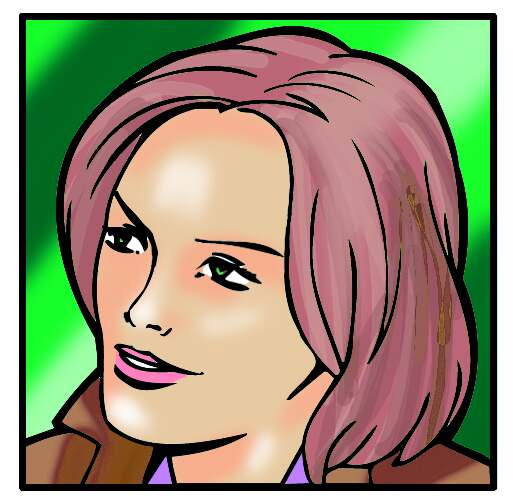
remembered how lucky she was.
|

 LONWEB PARALLEL TEXTS